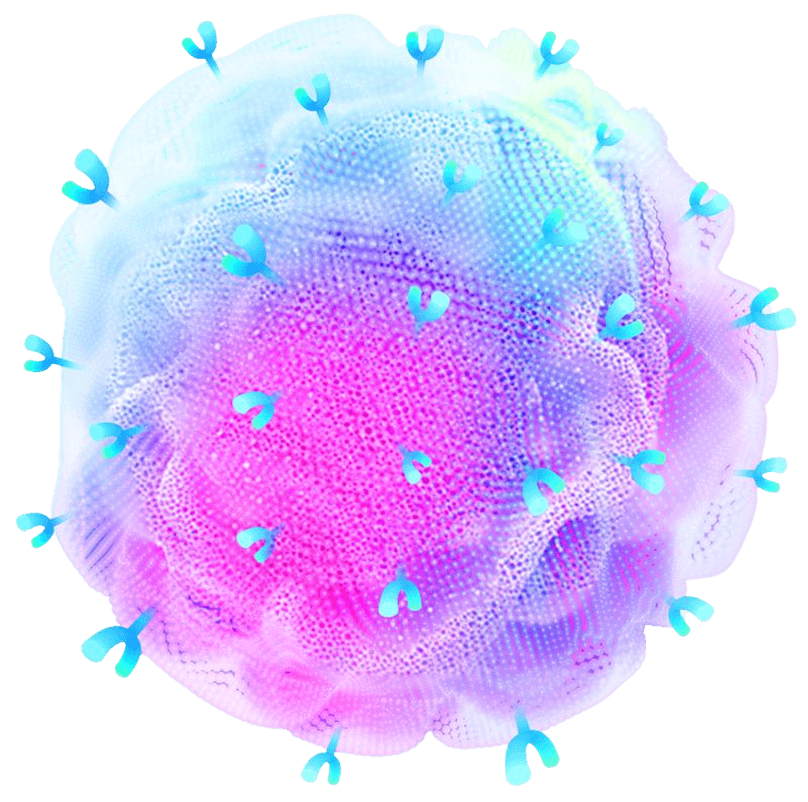


In autoimmune diseases, autoreactive B cells
proliferate and produce pathogenic autoantibodies and proinflammatory cytokines, leading to persistent inflammation, chronic disease activity, and progressive organ damage.5
Sponsored by Bristol Myers Squibb
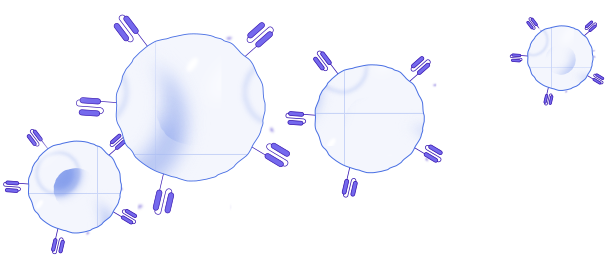
that uses genetically engineered T cells to target specific cells in the body.1-3 In the case of autologous CAR T cell therapy, a patient's own T cells are re-engineered in a laboratory to express a new receptor, known as a CAR.2-4
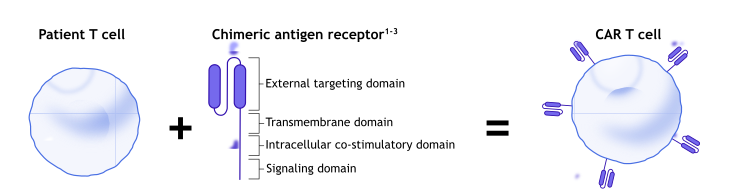
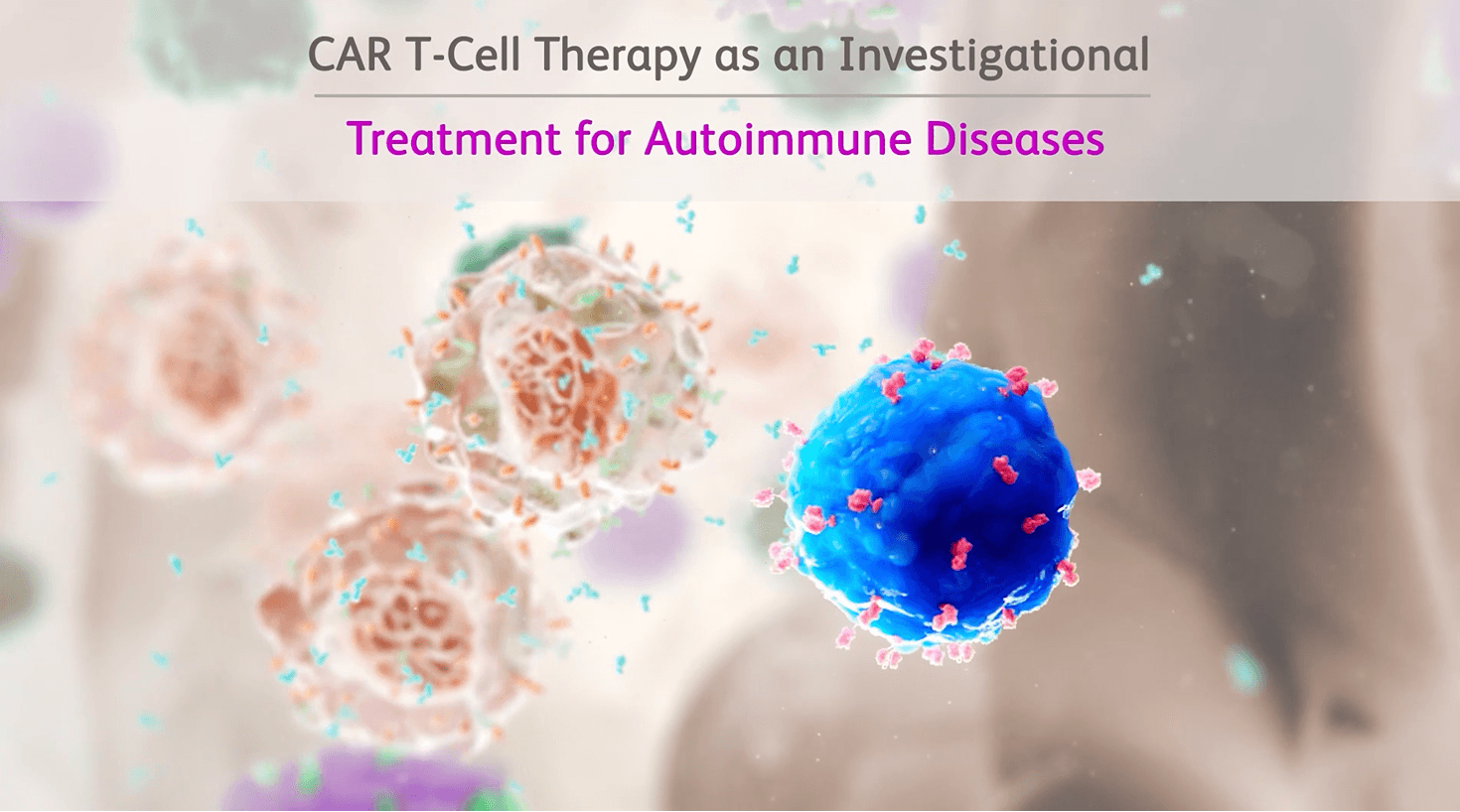
has been approved for patients with certain hematologic malignancies for many years.2 It is now under investigation for patients with certain autoimmune diseases.5
Disclaimer: CAR T cell therapy is currently not approved in any autoimmune indications. The safety and efficacy of investigational therapies and/or uses have not been established.
proliferate and produce pathogenic autoantibodies and proinflammatory cytokines, leading to persistent inflammation, chronic disease activity, and progressive organ damage.5
CD19-directed CAR T cell therapy has the potential to induce deep B cell depletion,5,8 including B cell populations in tissues and secondary lymphoid organs that are less accessible to other B cell–targeted therapies.5
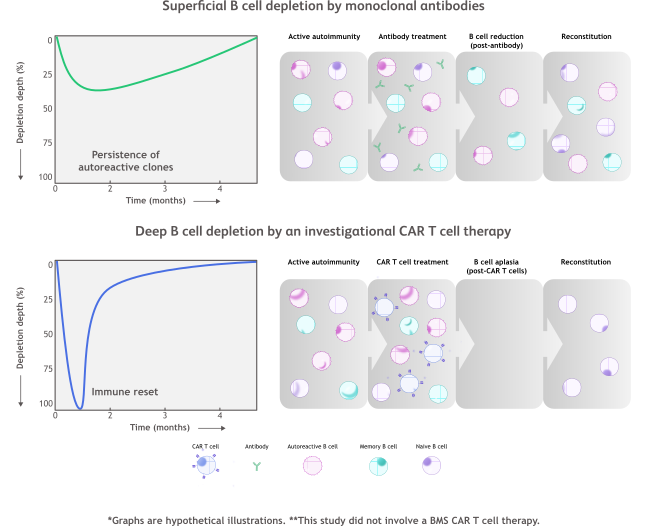
The graph contrasts more superficial B cell depletion with CD20 monoclonal antibodies against deeper B cell depletion after CD19-directed CAR T cell therapy across lymphoid and nonlymphoid tissues.
B cells were eliminated,8,10* which may allow the adaptive immune system to reset. The B cell compartment reconstitutes and expands, with a primarily naive phenotype, functioning as an immune reset that may support recovery of normal immune function.5
*Additional studies are needed to confirm these findings.
with a CD19-directed CAR T cell therapy, may lead to durable responses in patients with autoimmune diseases and could ultimately shift treatment goals from suppression of disease activity with continuous therapy to sustained remission following a one-time treatment.5*
*Treatment process includes blood collection, CAR T cell manufacturing, administration, and adverse-effect monitoring.5
from investigational CD19-directed CAR T cell therapy in autoimmune diseases have been presented in congress proceedings for ~300 patients, primarily with SLE, as well as SSc and IIM.11-55 Follow-up across these datasets ranges from <1 month to ~5 years. Ongoing clinical trials include 18 active Phase 2 or 3 studies (including registrational studies) that will evaluate efficacy, durability of response (e.g. drug-free DORIS remission), immune reconstitution, optimal patient selection, and safety, including adverse events of interest with CAR T, such as CRS, ICANS, cytopenias, and infections.
by the CAR T cell treatment team for at least the first 2-4 weeks after infusion.56
Disclaimer: Patient monitoring should occur in accordance with the applicable clinical trial protocol.
| Category | Cytokine release syndrome (CRS) | Immune effector cell-associated neurotoxicity syndrome (ICANS) |
|---|---|---|
| Symptoms | Low grades (1-2): Low-grade fever/hypoxia High grades (3-4): Fever/hypoxia requiring treatment |
Low grades (1-2): Decreased consciousness High grades (3-4): Stupor, seizure, cerebral edema |
| Management | Tocilizumab, corticosteroids, supportive care | Corticosteroids, supportive care |
| Category | Infections | Cytopenias |
|---|---|---|
| Types | Bacterial, viral, fungal infections | Neutropenia, thrombocytopenia, anemia, and/or leukopenia |
| Management |
|
Transfusion or growth factor support |
after the acute monitoring phase is a collaborative practice shared by the patient’s referring rheumatologist and the CAR T treatment team. It includes long-term safety and efficacy monitoring, immunologic assessment, and disease management.56,57,60
is to continue evaluations and better understand patient selection, immune reconstitution, response and durability of response, safety outcomes, post-treatment monitoring, and quality-of-life measures.
and how to connect patients with CAR T clinical trial sites through the resources below.
To learn more about CAR T cell therapy please visit https://www.cartautoimmune.com/
VisitFor information on BMS’s ongoing clinical trials in patients with autoimmune diseases please visit bmsclinicaltrials.com
VisitCAR, chimeric antigen receptor; CAR T, chimeric antigen receptor T cell; CRS, cytokine release syndrome; DORIS, Definitions of Remission in SLE; HSV, herpes simplex virus; ICANS, immune effector cell associated neurotoxicity syndrome; IIM, idiopathic inflammatory myopathies; SLE, systemic lupus erythematosus; SSc, systemic sclerosis; VSV, vesicular stomatitis virus.